Waylon Zabriskie
I started writing software to get faster on the bike. Now I build memory systems for AI and look forward to building technologies that improve people’s lives, health, and well-being.
NowBuilding Zembria, a personal memory system.
The road to Zembria
From elite junior racing, through injury and recovery, to building memory systems for AI.
Really, every turn in my life led to Zembria: a private memory system where you choose what it keeps, and can view, add, change or delete as you choose so AI can help with as much of your life as you want.
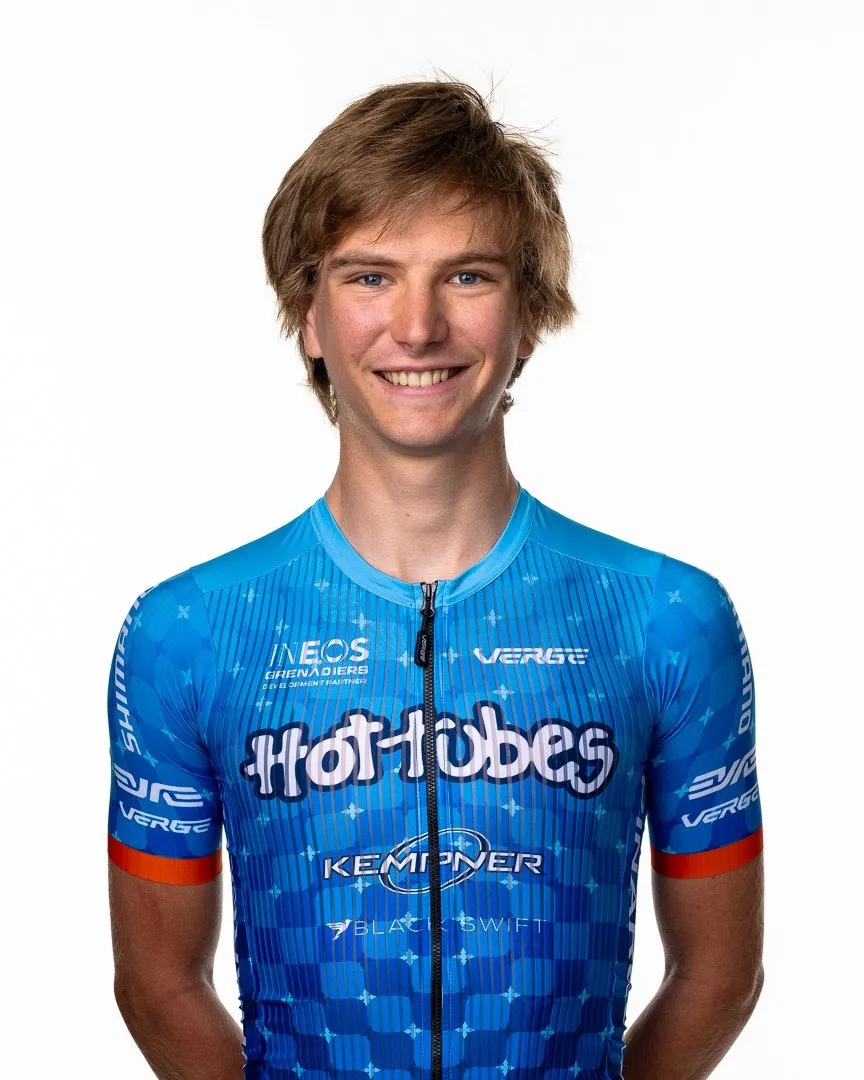
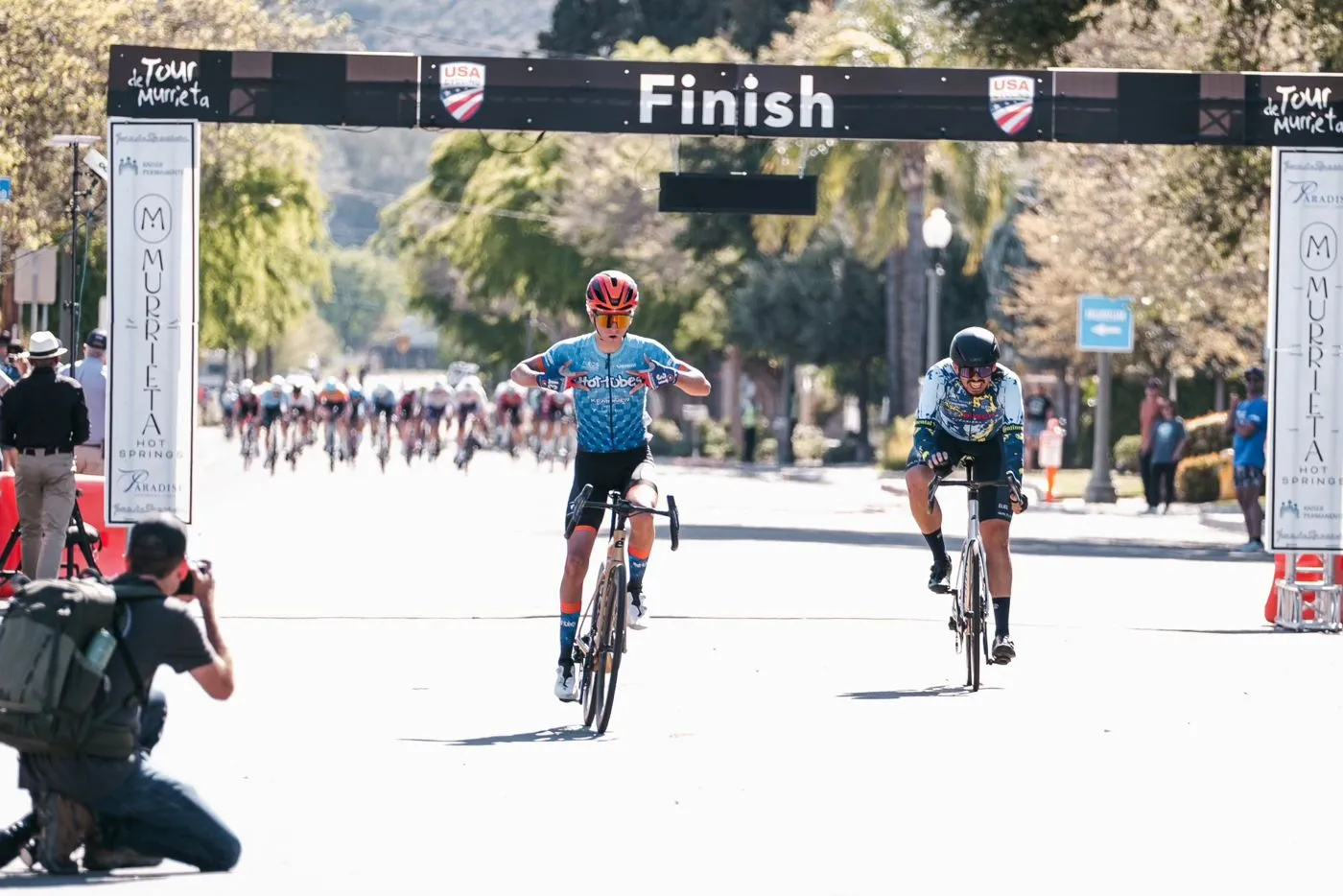
On my 14th birthday I got a mountain bike. After winning a few races, I switched to road racing, competing nationally and internationally. After I podiumed in fourth place at the 2024 USA Cycling National Time Trial Championships and won the Barentin Road Race in Normandy, France, I was asked to join Hot Tubes, the junior development team of the INEOS Grenadiers World Tour team, for the 2025 season.
Aspiring to compete at the highest level, I found that training logs and spreadsheets couldn’t capture the physiological and biomechanical variables that mattered. I wanted to understand how the body works and to build software that could analyze it.
Driven to reach that goal, I studied kinesiology, taught myself to program, and built software to analyze my training and performance.
To fully maintain my academic commitment alongside racing, I built an accelerated schedule and graduated from high school in two and a half years with a 4.0 GPA.
On top of that, I started interning at a nutritional-supplement company, where I built software to help customers find the right products and get the most benefit; I also researched ingredients and clinical studies to help the R&D team evaluate new ingredients for its products.
Zealous as I was about racing, knee injuries kept recurring and doctors couldn’t figure out why. I spent months using AI to work through anatomy, biomechanics and medical literature, and narrowed it down to the possibility of a structural problem in my hips, which an orthopedic surgeon confirmed. Bilateral hip arthroscopy took me off the bike, and I started my post-surgery recovery by building software to support my own rehabilitation.
Eager to share what I’d learned, I worked at a physical-therapy clinic doing personal training, rehab coaching and bike fitting, and started building an app to help therapists work more efficiently and get better outcomes for their clients.
More and more, I experienced how the benefits to be derived from AI depend on the depth and breadth of the context and how limited its value is without it.
Between rehab, academic studies, internships and software projects, the information about my life was scattered everywhere. I started building Zembria to consolidate everything and to be able to carry that context to any AI tool.
Rather quickly, not only did Zembria make school, work and everything else easier to manage, but it also got me really interested in how AI models remember and share information, which led me to dive deeper and conduct my own machine-learning research.
The research in detail →I began to think how helpful and valuable this could be for others since it can help anyone who wants to create a comprehensive context of many aspects of their lives and get more out of AI as a result. My main focus is now building Zembria for wider use.
Zembria in detail ↗And voilà, Zembria was born!
See the work →